How to Make Faceless YouTube Shorts Without Showing Your Face (2026 Guide)
Here is something that would have sounded crazy five years ago: some of the fastest-growing YouTube channels in 2026 have zero human faces in any of their videos. No talking head. No personality reveal. No selfie cam pointed at a bedroom wall. Just pure, value-packed content — and millions of views rolling in every single month.
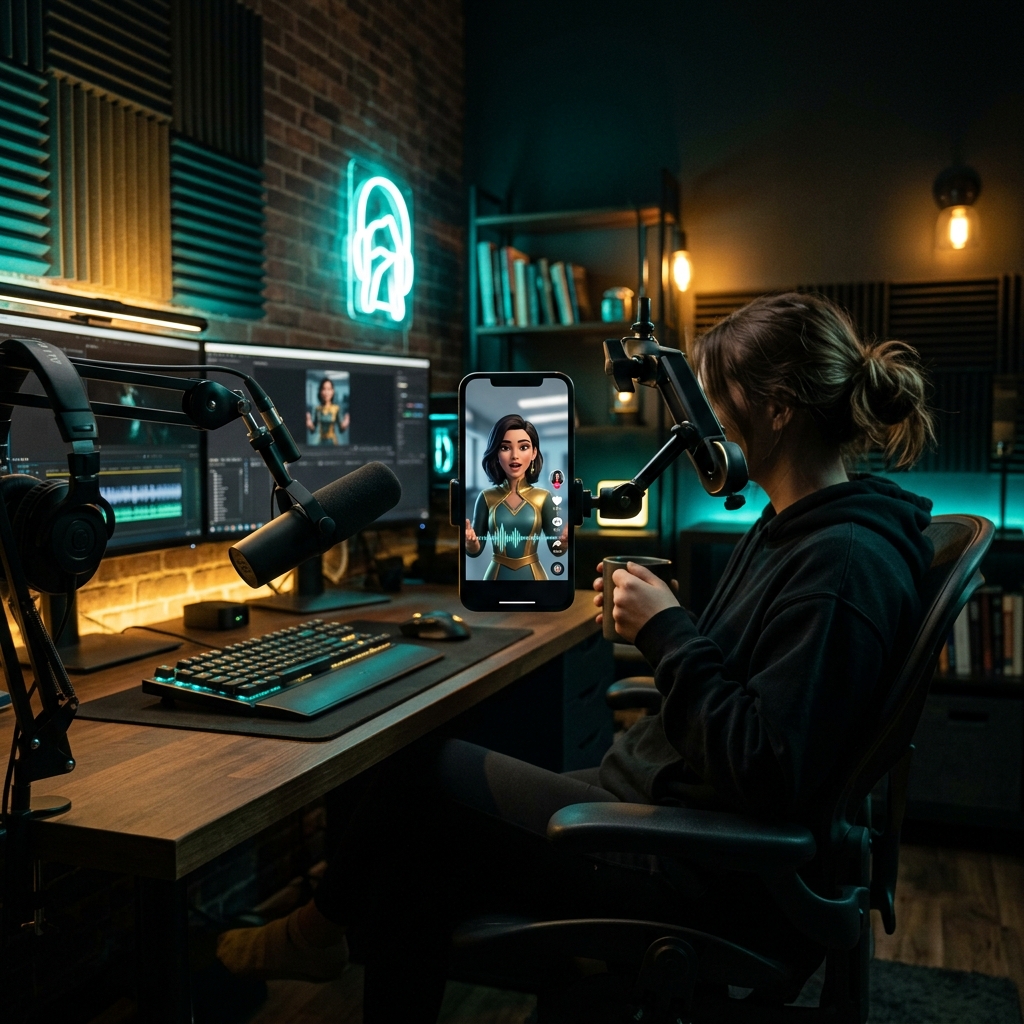
These are called faceless YouTube Shorts, and they have completely rewritten the rules for who gets to succeed on YouTube. You do not need a camera. You do not need to be photogenic. You do not need a home studio with ring lights and acoustic panels. You need a good topic, a solid script, and the right AI tools to stitch it all together.
This guide walks you through everything — from choosing a niche that actually makes money to publishing your first faceless Short today.
Why Faceless Shorts Are Dominating YouTube Right Now
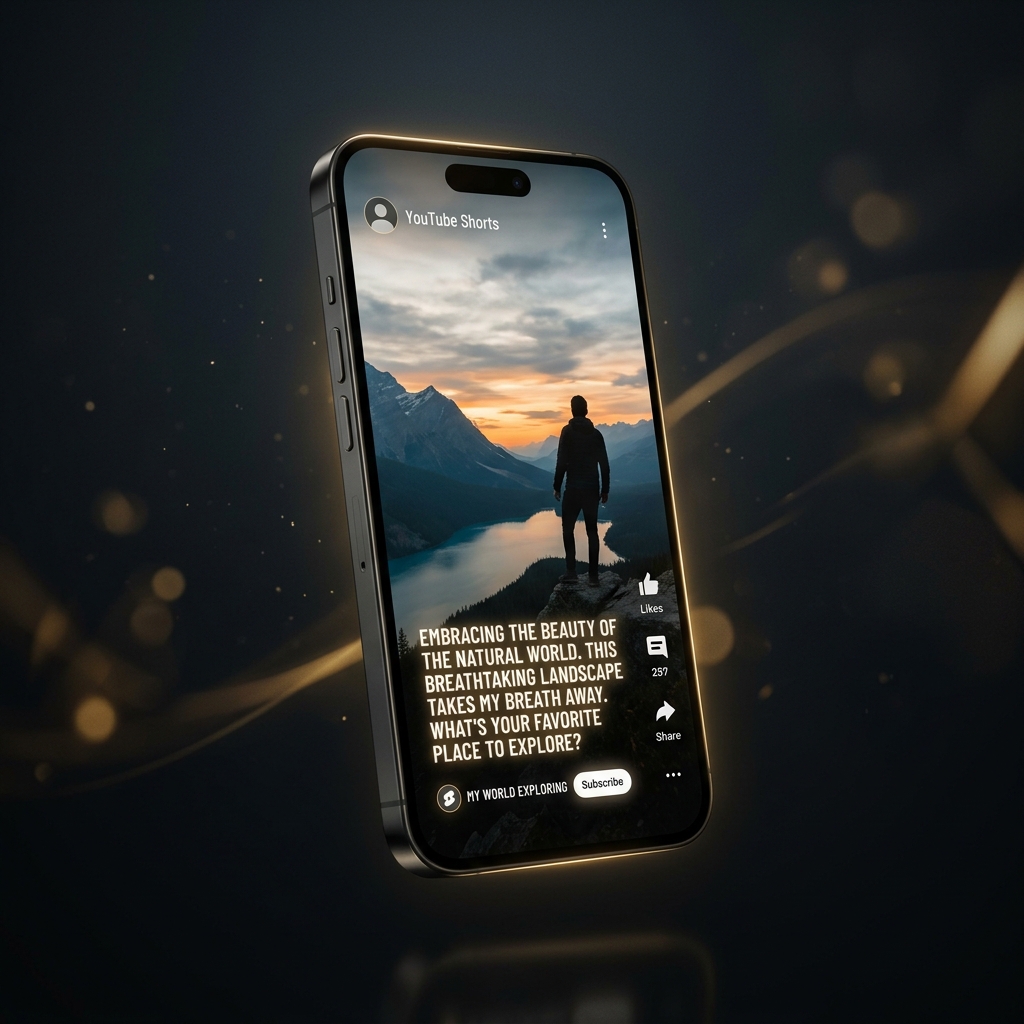
YouTube Shorts crossed 70 billion daily views in early 2026. That is not a typo. And a growing slice of those views goes to channels where the creator never shows their face. Why? Because viewers on Shorts care about the content, not the creator. They want quick value — a fact they did not know, a story that hooks them, a tip they can use right away.
This creates a massive opportunity for anyone willing to put in the work without putting themselves on camera. The barrier to entry has never been lower, and the ceiling has never been higher.
There are three reasons faceless Shorts explode faster than traditional content:
- Speed of production. Without camera setup, lighting checks, and re-takes, you can produce five to ten Shorts in the time it takes to film one talking-head video.
- Scalability. You can run multiple faceless channels across different niches simultaneously. Some creators manage three or four channels generating revenue from day one.
- Lower burnout. Creator burnout is real. When your face is the product, every video feels personal. Faceless channels separate the creator from the content, making it sustainable long-term.
Step 1: Pick a Niche That Actually Pays
Not all faceless niches are created equal. The best ones sit at the intersection of high audience interest and strong monetization potential. Here are the top-performing faceless Shorts niches in 2026:
- Scary stories and true crime. This niche has an almost unfair advantage on Shorts. People physically cannot scroll away from a well-told creepy story. Channels like "Chills" and dozens of smaller accounts have proven this model works at every subscriber count.
- Personal finance tips. Money content gets premium ad rates. A 45-second Short about "three things your bank does not want you to know" can outperform a 10-minute vlog in total revenue.
- Motivational and stoic philosophy. Marcus Aurelius quotes over cinematic B-roll. It sounds simple because it is. And it works shockingly well.
- History and "did you know" facts. Curiosity-driven content has the highest completion rate on Shorts. People watch the entire clip because they want the answer.
- Tech explainers and AI news. If you are reading this article, you already know enough about tech to create content in this space.
Pick one niche. Just one. The biggest mistake new creators make is trying to cover everything. The algorithm rewards channels that demonstrate clear topical authority.
Step 2: Write Scripts That Hook in Two Seconds
The first two seconds of a YouTube Short determine everything. If your opening line does not make people stop scrolling, nothing else matters. Here is a formula that works across every niche:
Pattern interrupt + curiosity gap + implied value.
Examples:
- "This one mistake cost me $14,000 — and you are probably making it right now."
- "The FBI just declassified something that changes everything we know about..."
- "Delete this app from your phone immediately. Here is why."
Your script should follow this structure: Hook → Context → Value → Call to action. Keep it between 120 and 180 words for a 45 to 60-second Short. That is the sweet spot for completion rate, which is the single most important metric the YouTube algorithm tracks.
Step 3: Turn Your Script Into a Video With AI
This is where most people hit a wall. They have a great script but zero clue how to turn it into a polished video without editing skills. Five years ago, you would have needed Adobe Premiere, stock footage subscriptions, a voiceover artist, and weeks of practice.
In 2026, you need exactly one tool.
Here is exactly how the process works with Zynos AI:
- Paste your script (or let the AI generate one from a topic prompt).
- Choose a voice. Pick from dozens of natural-sounding AI voices or clone your own.
- Select a style. Faceless, talking avatar, UGC-style — you choose the format.
- Hit generate. The AI matches relevant stock footage, adds animated captions, layers the voiceover, and renders the final video in vertical 9:16 format.
- Download and upload. That is it. Your Short is ready for YouTube.
The entire process takes less time than ordering coffee. And the output quality is genuinely indistinguishable from videos made by professional editing teams.
Step 4: Optimize for the YouTube Algorithm
A great video with bad metadata is invisible. Here is how to make sure YouTube actually shows your Shorts to people:
Titles
Keep them under 40 characters when possible. Front-load the keyword. "Faceless YouTube Shorts: 5 Niches That Pay" beats "My Top 5 Niche Ideas for Making Faceless Content on YouTube Shorts in 2026."
Hashtags
Use two to three relevant hashtags. Always include #Shorts. Add one niche-specific tag like #PersonalFinance or #ScaryStories. Skip generic tags like #Viral or #FYP — they do nothing on YouTube.
Thumbnails
YouTube now lets you add custom thumbnails to Shorts. Use bold text, high-contrast colors, and a single visual that communicates the topic at a glance. Tools like Canva work fine for this. Keep it simple — thumbnails on Shorts are tiny.
Posting Schedule
Consistency beats everything. Aim for one Short per day, minimum. The algorithm rewards channels that post regularly. With AI tools handling the production, you can easily batch-create a week's worth of content in a single afternoon.
Step 5: Monetize Beyond Ad Revenue
YouTube ad revenue from Shorts is real, but it should not be your only income stream. The smartest faceless creators diversify their monetization:
- Affiliate marketing. Mention products in your niche and drop affiliate links in your channel description. Finance and tech niches pay especially well.
- Digital products. Sell ebooks, templates, or courses related to your content. A faceless finance channel selling a "budgeting spreadsheet" for $12 can generate thousands per month.
- Channel memberships. Once you hit the threshold, offer exclusive content to paying members.
- Cross-platform repurposing. Take your YouTube Shorts and repost them on TikTok and Instagram Reels. Triple the audience reach with zero extra work.
Common Mistakes That Kill Faceless Channels
After analyzing hundreds of faceless channels — both successful and failed — these are the patterns that separate winners from quitters:
- Quitting after 20 videos. Most faceless channels do not see meaningful traction until video 50 to 100. The algorithm needs time to understand your content and find the right audience. Keep going.
- Using robotic AI voices. Bad text-to-speech is an instant scroll-away. Use tools like Zynos AI that offer natural, human-sounding voices. Quality voiceover is the difference between a viewer staying for 3 seconds or watching the entire clip.
- Ignoring the hook. If your first two seconds do not create curiosity, fix that before anything else. Watch your analytics — if the average view duration drops off immediately, your hooks need work.
- Niche-hopping. Posting a scary story on Monday, a finance tip on Wednesday, and a cooking hack on Friday confuses the algorithm. Pick one lane and stay in it for at least 90 days.
Your First Faceless Short: A Quick-Start Checklist
Here is everything you need to publish your first faceless YouTube Short today:
- Pick one niche from the list above.
- Write a 150-word script using the Hook → Context → Value → CTA structure.
- Open Zynos Reels on your phone and paste the script.
- Choose a natural AI voice and select the "faceless" video style.
- Generate the video. Preview it. Download it.
- Upload to YouTube Shorts with a keyword-optimized title and 2-3 hashtags.
- Repeat tomorrow. And the day after. And the day after that.
That is it. No fancy equipment. No editing degree. No face required. Just a good idea, the right tool, and the discipline to show up every day.
The creators who will dominate YouTube Shorts in 2026 are not the ones with the biggest budgets or the prettiest faces. They are the ones who figured out that consistency plus quality content plus smart AI tools equals an unstoppable channel. You have everything you need to be one of them.